Anxiety: My Experience and How I Learned to Manage It Naturally
Anxiety is brutal. Even after dealing with it for more than four years, I still catch myself wondering where it came from and why it feels so relentless. I’ve mentioned my anxiety on social media and many of you asked for a deeper post, so here it is: my story from the first panic attack to the triggers I face and the practical, non-medication strategies that have helped me manage anxiety and panic attacks.
I didn’t struggle with anxiety as a child. Of course I felt nervous before tests or races, but nothing like the persistent, intrusive anxiety I know now. It didn’t show up until after I had my first daughter, and when it arrived it hit hard.
My first panic attack happened at my bachelorette party. I had my daughter before getting married, and that trip to Miami was my first big time away from her. On the second day something flipped—maybe motherly instinct, separation anxiety, or a hangover—and I experienced my first full panic attack. I truly thought I was dying and that I would never see my daughter again. I was terrified.
After that episode I returned home and anxiety became a recurring part of my life. For a long time the fear of having another attack would itself trigger panic. The attacks escalated: there were times I struggled to breathe and one time I even fainted. My anxiety largely comes from fear. I’ve always been a worrier, but parenthood intensified it. I often feel stuck in a constant fight-or-flight state, which is mentally and emotionally exhausting.
My most persistent fears are fatalistic—worries about dying and what would happen to my children or husband if something happened to me. I imagine worst-case scenarios when anxiety spikes. I’m also deeply afraid of flying, and that specific fear tends to trigger my anxiety in its own way.
How did I get better? After about four panic attacks I saw a psychiatrist. He explained what I was experiencing from a clinical perspective and prescribed anti-anxiety medication to use only as needed. That approach helped for a while; I was taking medication one or two times a month and felt stable the rest of the time. But last October I went through an intense series of attacks that required medication every six hours for about a week just to manage symptoms. That was my wake-up call: things had to change.
Recovery has been a long journey with ups and downs, and I still have difficult moments. If you’re where I was, know that improvement is possible. I believe a lot of the progress I made came from consistent self-care tailored to my anxiety. I am not a medical professional, but I want to share what helped me so it might help someone else living with anxiety disorder.
The first step was accepting that I have anxiety. Once I stopped denying it, I started meaningful self-care instead of temporary fixes. Self-care is not just wine and distractions—it’s deeper changes to daily routines and habits. As a mom I had spent years caring for everyone else and neglecting myself. When I intentionally started caring for my own physical and emotional needs, I felt dramatically better and became a more present parent.
My psychiatrist recommended yoga or meditative practices that focus on breath. I began working with a friend who teaches a breath-focused style called Pranayama yoga. Pranayama is centered on breath work, and it has been one of the most effective tools in my anxiety toolkit. I practice this type of breathing work at least once a week and recommend sticking with it—regular practice makes a measurable difference.
Another major change was improving my diet and reducing alcohol. I believe strongly in the brain-gut connection: when my body feels cleaner, my mind feels clearer. After a low point last October I completed a Whole30-style reset to detox and reestablish healthier habits. I used to rely on a glass of wine to unwind, but that only numbed feelings temporarily; anxiety would return the next day. Now I limit drinking to weekends and special occasions and avoid excess sugar, which tends to aggravate my anxiety.
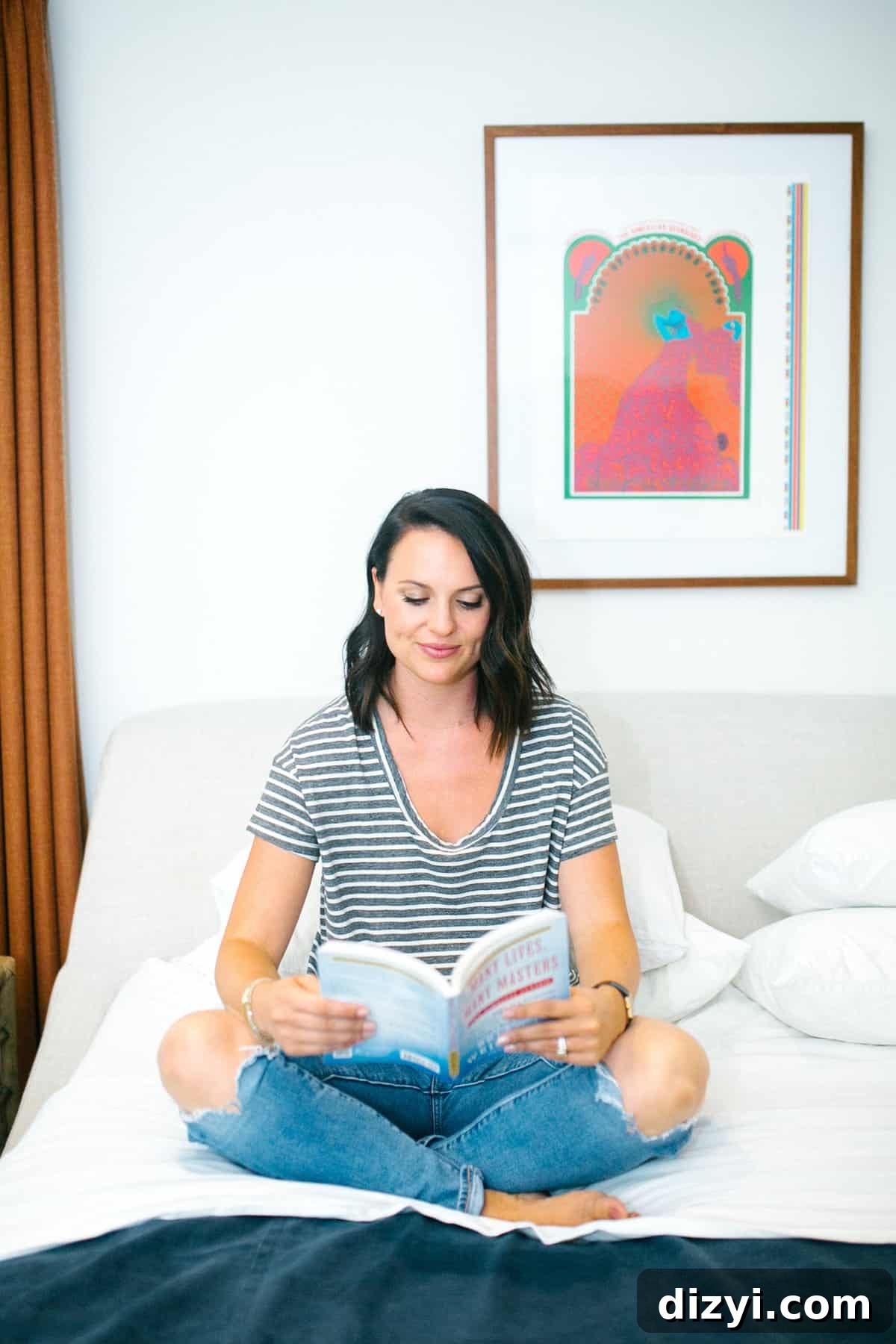
I also read a book called Many Lives, Many Masters that opened my perspective in ways that helped reduce my anxious thinking. That book isn’t for everyone, but exploring new ideas and introspective reading helped me shift mindset and find calm.
Here are other practical strategies I use when anxiety arises:
- Read at night. A good book provides a healthy distraction and reduces screen time, which helps my mind settle.
- Take a hot bath. I take a hot bath most nights to relax my body and calm my nervous system—warm water offers deep relaxation and can reduce physical anxiety symptoms.
- Go for a walk. Movement and fresh air are powerful tools to break anxious thought cycles. Walking gives my brain a healthy distraction and helps reset my mood.
- Use soothing balms or massage. I carry a chest-and-shoulder balm that eases tension in those tight areas. A quick self-massage or a partner’s rub can reduce physical stress and help me breathe more easily.
- Do something creative and passionate. Creativity is linked to better mental health. When I invested in this blog and treated it as something meaningful, the process of creating became incredibly healing.
Today I still keep anti-anxiety medication in my bag “just in case,” but I haven’t taken a pill in nine months—not even when I fly. That progress feels huge, and I’m proud of how far I’ve come. If you live with anxiety, I empathize with you. It’s scary and exhausting. Don’t hide from it or only pacify it; work on concrete strategies and build a plan for how to face it next time. With preparation and consistent care, anxiety doesn’t have to control your life.
Everyone’s path is different. While I found natural approaches that reduced my dependence on medication, I am not against medication if it’s needed. If you’re struggling, please consider talking with a mental health professional to find the best treatment plan for you.
Thank you for reading this. It wasn’t easy to share, but I hope my experience helps someone feel less alone. If you want me to expand on any part of this—Pranayama practice, diet changes, or creative routines—leave a comment and I’ll be happy to share more.