
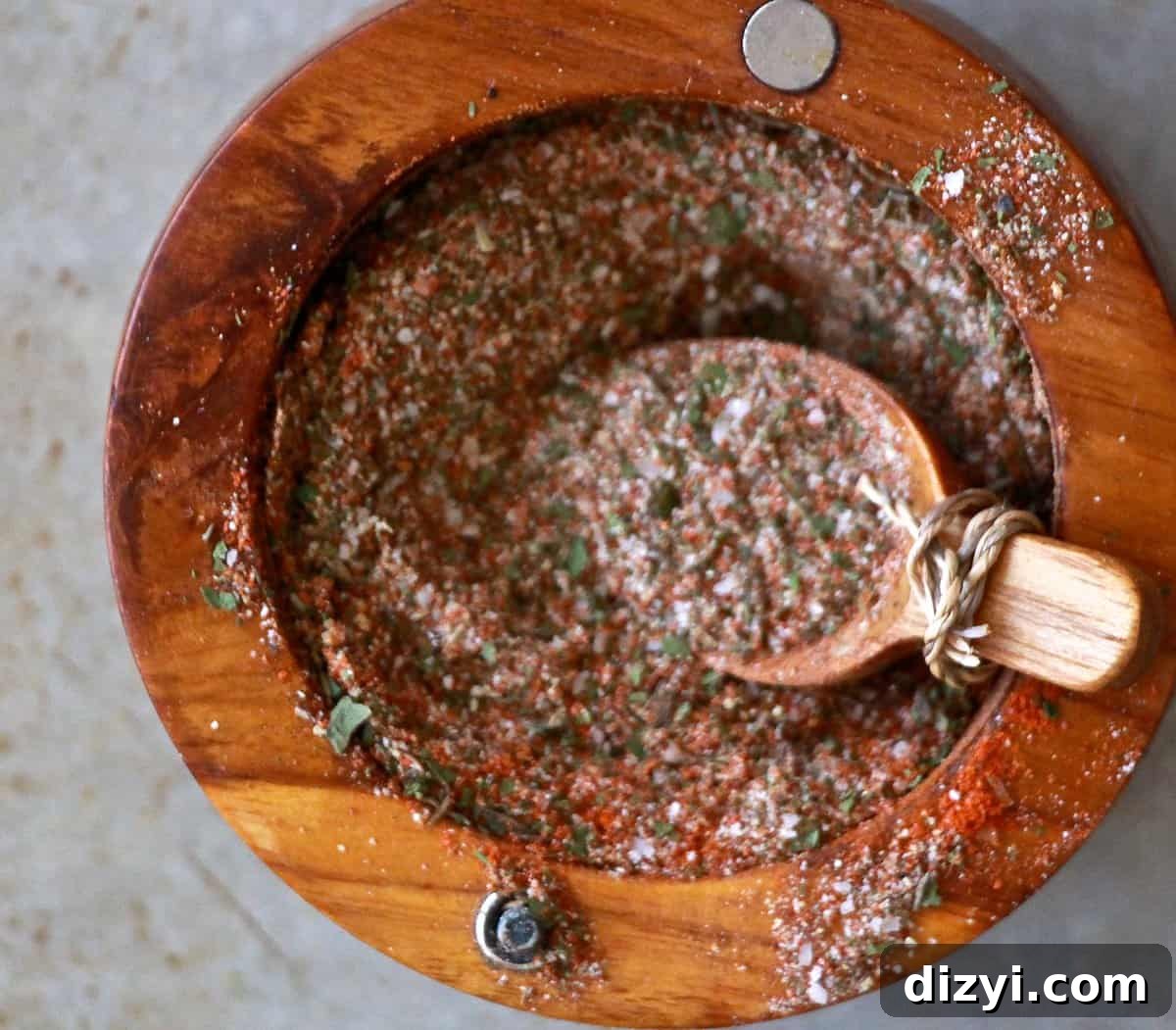
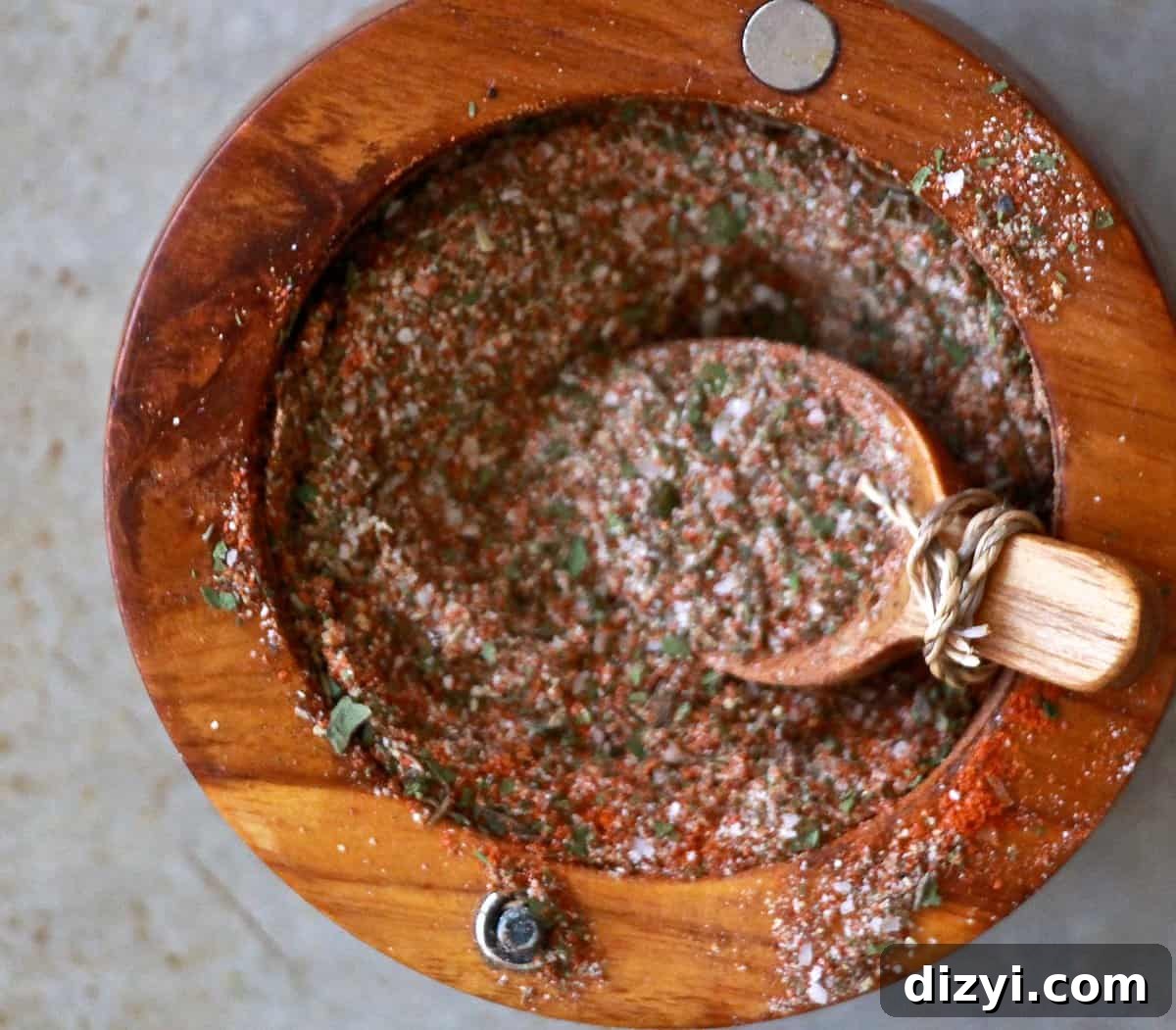
Jerk is a bold style of Caribbean cooking in which meat is either dry-rubbed or wet-marinated with a fiery, aromatic blend of spices. Traditional jerk blends often include sugar or another sweetener, but this version removes any added sugar to keep it compatible with Whole30 and Paleo-style eating while still delivering bright heat and deep, warming spice. This versatile dry mix is easy to make and can be used as a rub, a seasoning for roasted vegetables, or the base for a wet marinade when combined with oil and acid.
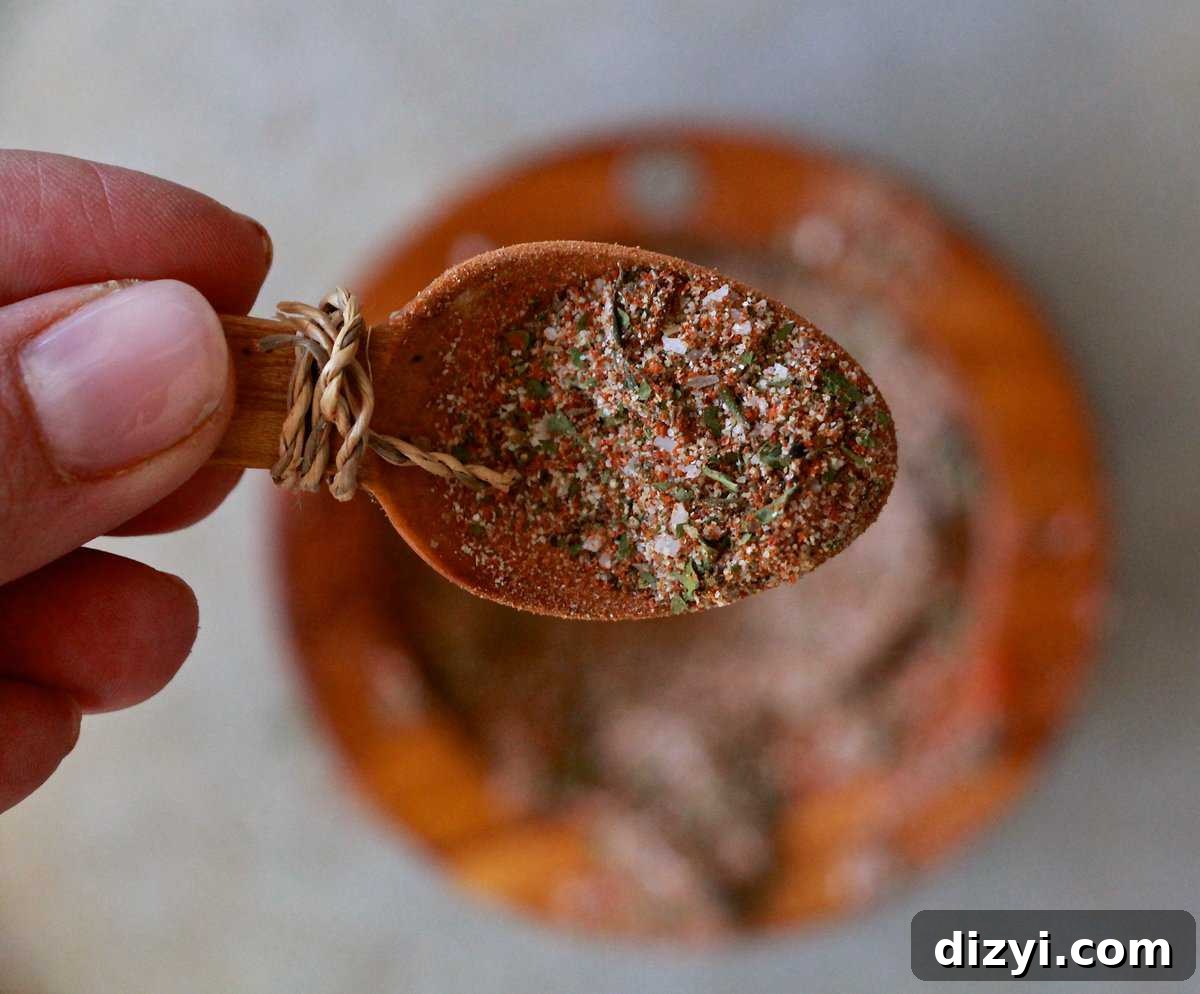
- 2 tsp cayenne pepper
- 2 tsp dried parsley
- 2 tsp onion powder
- 2 tsp garlic powder
- 2 tsp dried thyme
- 1 tsp coarse black pepper
- 2 tsp kosher salt
- 1/4 tsp ground cinnamon
- 1 tsp ground ginger
- 1 tsp ground allspice
- 1/2 tsp ground cloves
- Combine all spices thoroughly in a small bowl. Stir until evenly blended.
- Use immediately as a dry rub—apply 1 to 2 tablespoons of seasoning per pound of meat, poultry, or vegetables.
- To make a wet marinade, mix 2 to 3 tablespoons of the dry blend with 1/4 cup olive oil or avocado oil, the juice of one lime (or 2 tablespoons vinegar), and minced fresh pepper (such as Scotch bonnet or habanero) if extra heat is desired. Rub over protein and marinate for 30 minutes to overnight depending on intensity preferred.
- Cook by grilling, baking, roasting, or pan-searing. For chicken, grill over medium-high heat until internal temperature reaches 165°F (74°C). For pork, cook to 145°F (63°C) and rest before serving.
- Store any unused dry seasoning in an airtight container in a cool, dark place for up to 6 months. For best flavor, use within 2–3 months.
This jerk blend brings warm spices like allspice and cloves together with assertive heat from cayenne and aromatic thyme. Because it is a dry blend, it’s very flexible:
- If you prefer milder heat, reduce the cayenne to 1 tsp and omit fresh hot peppers when making a wet marinade.
- To intensify the smoky, complex flavor characteristic of traditional jerk, add a pinch of smoked paprika or use smoked sea salt instead of regular salt.
- For a citrus-forward twist, add the zest of one orange to the wet marinade before marinating chicken or shrimp.
- This seasoning works equally well with chicken wings, drumsticks, pork chops, shrimp, tofu, tempeh, or hearty vegetables like sweet potatoes and cauliflower.
- To convert the dry mix into a paste for basting, combine with a splash of soy sauce or coconut aminos and a tablespoon of oil until it reaches the desired consistency.
Marinating times will affect intensity: a quick 30-minute rest imparts noticeable flavor, while several hours or overnight yields deeper penetration. When using on delicate proteins like shrimp or thin fish fillets, limit marinating time to 15–30 minutes to avoid over-seasoning.
Make sure to taste and adjust salt and heat levels when you scale the recipe up or down. This blend is easy to double or triple and makes a convenient gift when packaged in a small jar with a label noting the ingredients and suggested uses.
As a dry rub, pat seasoning onto meat right before cooking for a punchy crust. As a wet marinade, combine the dry mix with oil and an acid and allow proteins to rest in the refrigerator. Try finishing grilled items with a squeeze of fresh lime juice and a sprinkle of chopped fresh parsley to brighten the dish.
Keep the dry seasoning in a tightly sealed jar in a cool, dark cupboard. Avoid heat and light to preserve volatile aromas. Label the jar with the date made—while the seasoning remains safe to use beyond several months, flavors gradually fade.