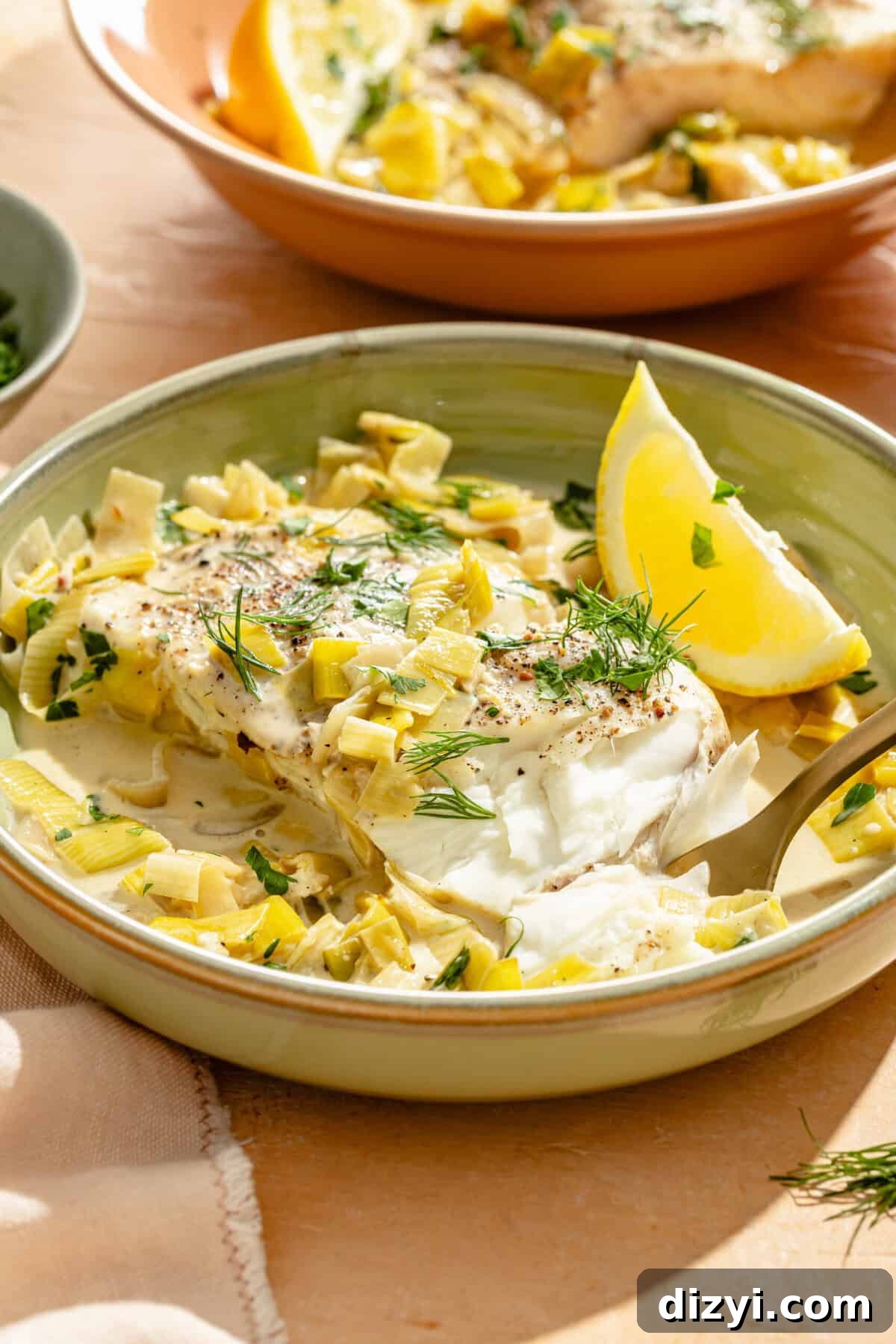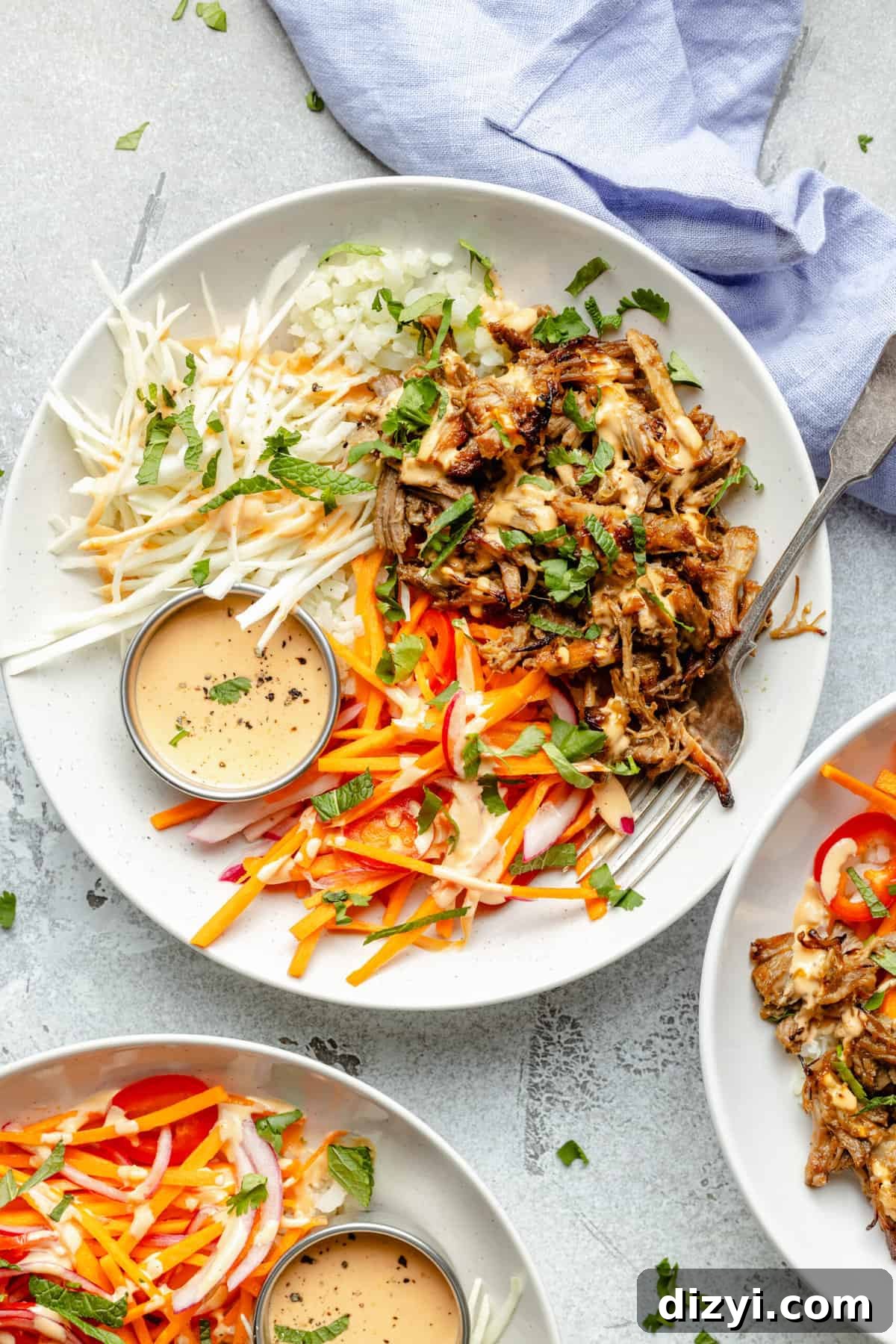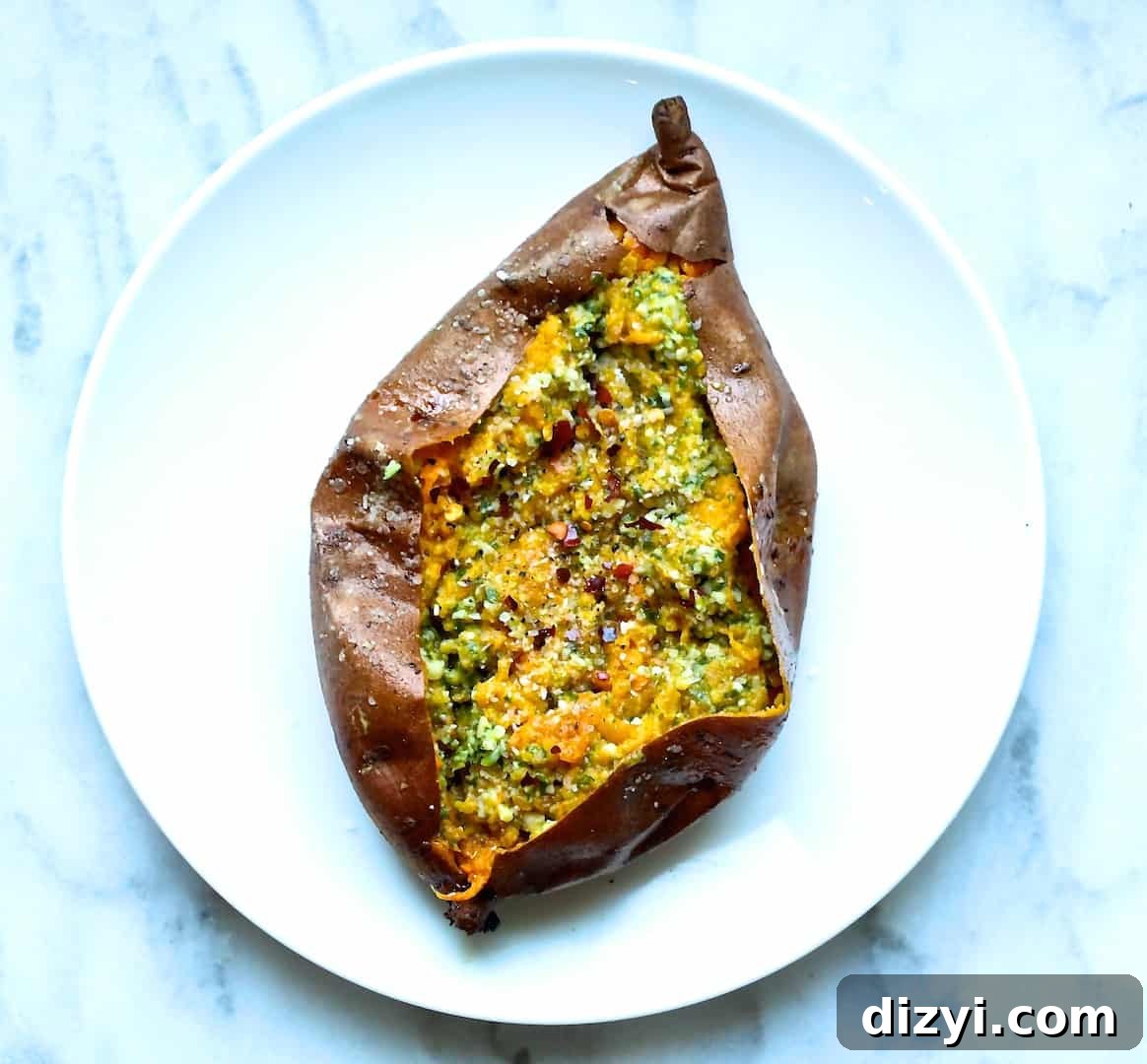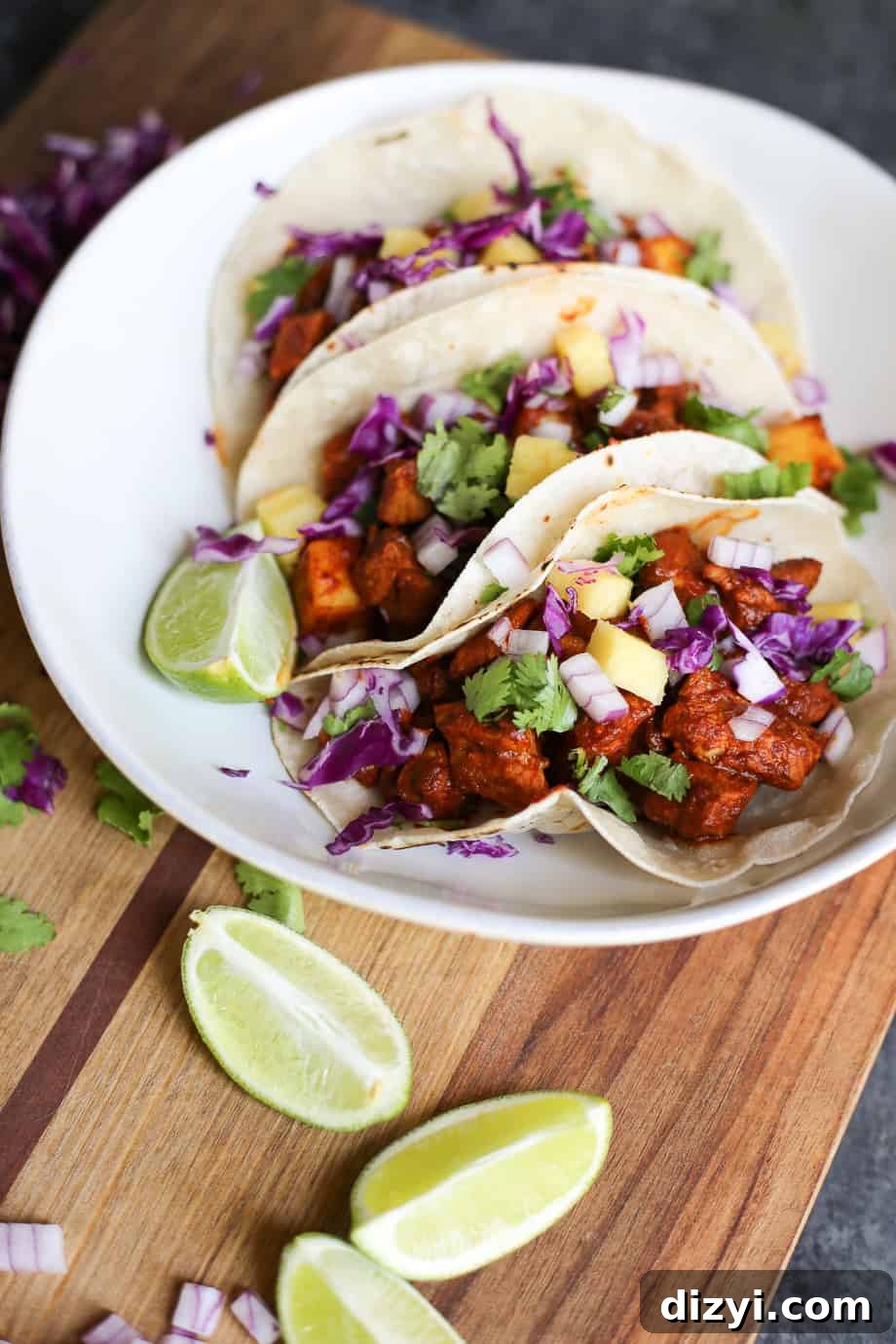
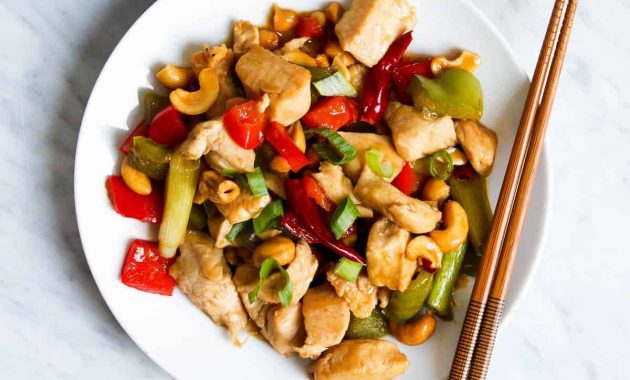
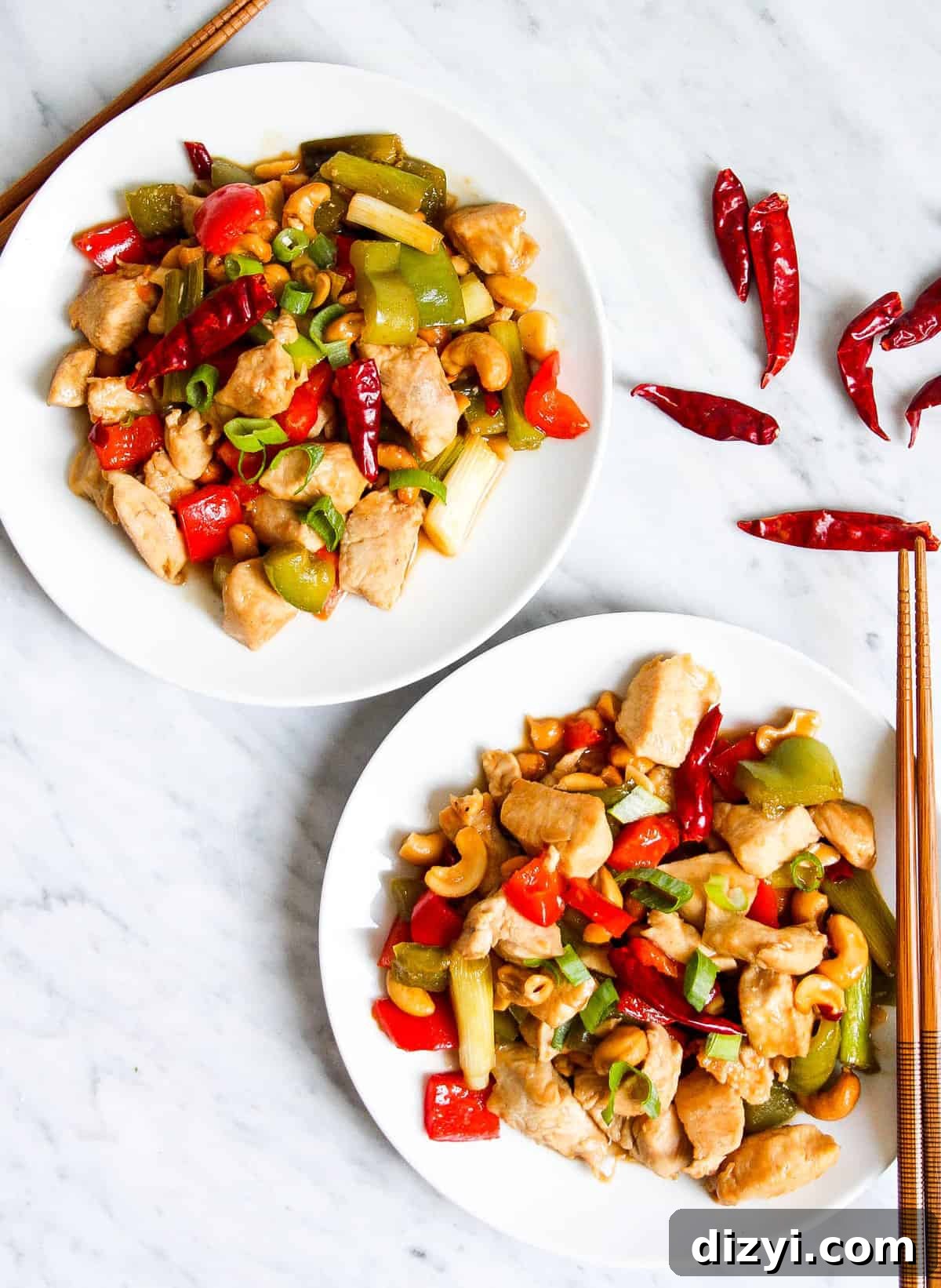
Kung-Pao Chicken is a classic spicy stir-fry known for its bold balance of sweet, savory, and fiery flavors. This Whole30-friendly version preserves that addictive combination while using compliant ingredients like coconut aminos and arrowroot starch. Whether you follow Whole30 or simply want a lighter, gluten-free take on a Chinese favorite, this recipe delivers crisp vegetables, tender seared chicken, crunchy cashews, and a bright, tangy sauce.
If you enjoy heat and sensory complexity, seek out Sichuan peppercorns. They provide a unique numbing, citrusy sensation that elevates the dish. If you can’t find them, the recipe still works beautifully—simply adjust the dried chilies or red pepper flakes to your preferred spice level.
Prep Time: 15 minutes | Cook Time: 20 minutes | Total Time: 35 minutes
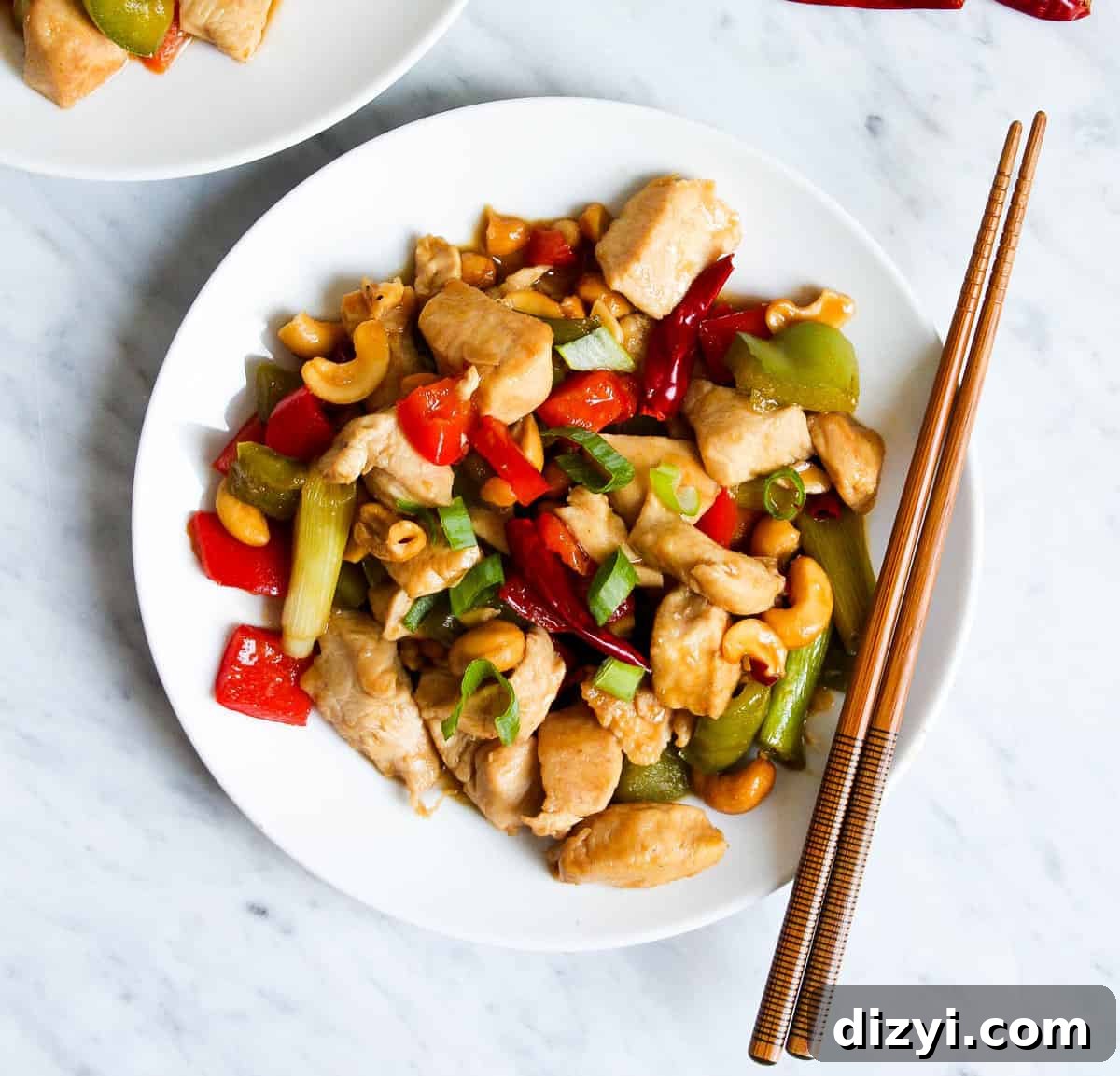
This Whole30 Kung-Pao Chicken is quick to make and full of texture: juicy chicken pieces, crisp bell peppers, scallions, and toasted cashews coated in a savory-tangy sauce. It’s ideal for weeknight dinners and doubles well as meal-prep. The recipe is naturally grain-free, dairy-free, and gluten-free when using coconut aminos instead of soy sauce.
- 4 boneless, skinless chicken breasts
- Salt and pepper, to taste
- 1 tbsp arrowroot starch
- 2 tbsp olive oil or avocado oil
- 1 red bell pepper, seeded and diced
- 1 green bell pepper, seeded and diced
- 2 cloves garlic, very thinly sliced
- 6 scallions, white portions only, cut into ¾” pieces
- 1 tsp freshly grated ginger
- ½ tsp toasted sesame oil
- 4 dried red chilies, seeds removed and sliced (or ½ tsp red pepper flakes)
- ½ tsp ground Sichuan peppercorns (optional; omit if unavailable)
- 2 tbsp rice vinegar
- ¼ cup coconut aminos
- ½ tsp fish sauce
- 1½ cups roasted, salted cashews, coarsely chopped
- Trim and cut the chicken breasts into ¾-inch cubes. Place the pieces in a bowl and season generously with salt and pepper. Sprinkle on the arrowroot starch and toss until the chicken is evenly coated—this helps create a light crisp outside and thickens the sauce slightly.
- Heat a large non-stick or well-seasoned skillet over medium-high heat with 2 tablespoons of oil. When the skillet is hot but not smoking, add the chicken in a single layer. Sear and cook, turning as needed, until golden brown and cooked through, approximately 6–8 minutes. Remove the chicken to a plate and set aside.
- In the same skillet, add the diced red and green bell peppers, dried chiles (or red pepper flakes), Sichuan pepper (if using), white parts of the scallions, and sliced garlic. Sauté for about 3–4 minutes until the peppers are slightly softened but still crisp, stirring occasionally.
- Return the chicken to the skillet. Add the coconut aminos, rice vinegar, fish sauce, grated ginger, and toasted sesame oil. Stir to combine and let the sauce simmer gently, stirring occasionally, until it reduces and slightly thickens—about 3–5 minutes depending on heat.
- Stir in the chopped cashews and taste. Adjust seasoning with salt, additional vinegar for brightness, or more chilies for heat as desired.
- Serve immediately over cauliflower rice, steamed vegetables, or alongside a simple salad. Enjoy!
Tips and Variations
– Sichuan peppercorns: If you have them, lightly toast and grind them for the best aroma. They add a distinctive citrusy tingling that pairs well with the chilies. If unavailable, increase dried chilies slightly but skip claiming the numbing effect.
– Protein swaps: Use boneless skinless chicken thighs for a juicier result or substitute firm tofu for a vegetarian option (not Whole30 compliant).
– Nut-free option: Omit cashews and add toasted sunflower seeds for crunch if you need a nut-free version; note this changes the flavor profile.
– Make-ahead: Prepare the chicken and sauce separately and store in the refrigerator for up to 3 days. Reheat gently on the stovetop, adding a splash of water if the sauce has thickened too much.
– Serving suggestions: This dish pairs well with cauliflower rice, roasted broccoli, or a bed of mixed greens for a lower-carb meal. Garnish with additional scallion greens for fresh color.
Recipe source: Adapted from a recipe by Alex Snodgrass. This version maintains Whole30-friendly choices while keeping the vibrant flavors of traditional Kung-Pao.