
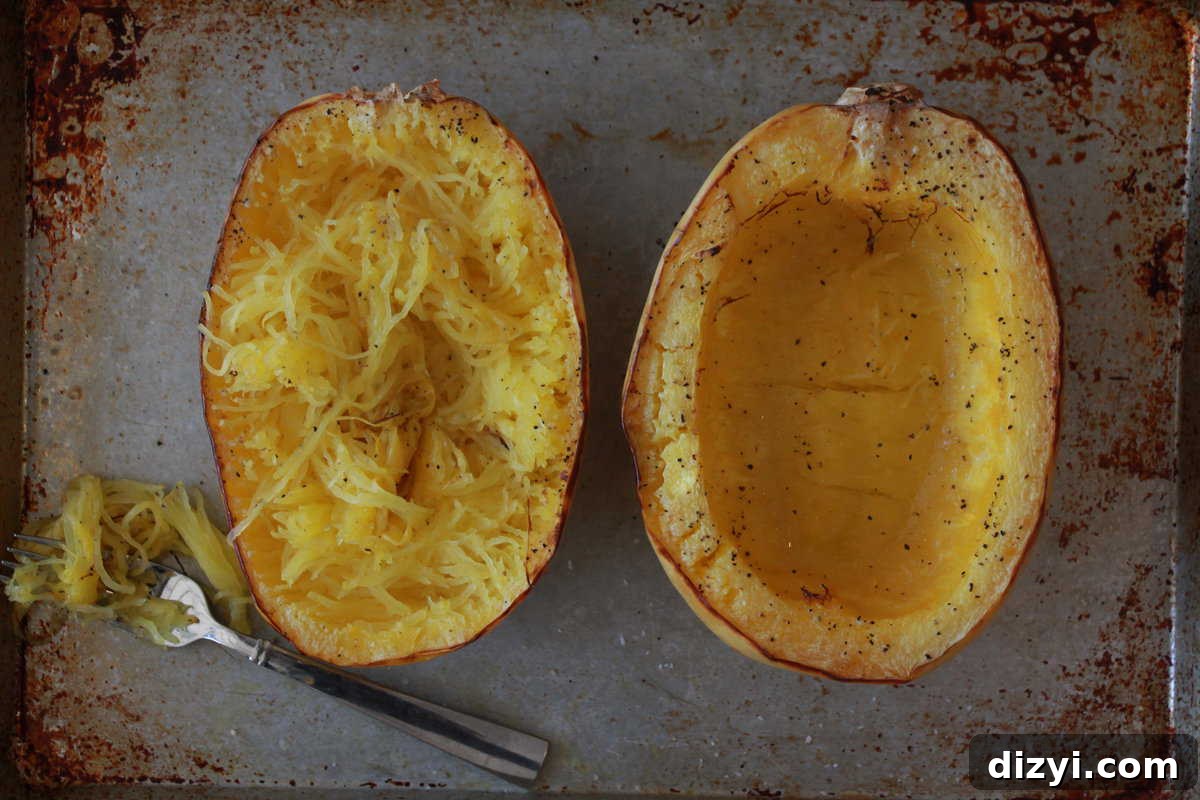
Roasted spaghetti squash is my go-to low-carb alternative to traditional pasta. It’s versatile, easy to prepare in batches, and adapts well to a wide range of flavors — from a simple tomato sauce to an herby garlic butter or a quick stir-fry when you want noodle-like strands without the wheat. I like to roast a large squash at the start of the week and keep the strands refrigerated to add to breakfasts, lunches, and dinners. For breakfast, sauté the strands with a little oil, garlic, salt, and pepper for a crispy, hash-brown–style side. For dinner, pile the strands under your favorite marinara or toss them into a stir-fry to mimic thicker noodles. This method is my favorite because it’s straightforward, reliable, and produces tender strands every time. Below you’ll find simple instructions, helpful tips for choosing and handling squash, and suggestions for storing and serving.
- 1 large spaghetti squash
- 2 tbsp olive oil
- Salt and freshly ground black pepper, to taste
- Preheat the oven to 375°F (190°C).
- Using a sharp, sturdy knife, carefully cut the spaghetti squash in half lengthwise. Take your time—work on a stable surface and hold the squash securely.
- Place the squash halves cut side up on a rimmed baking sheet.
- Drizzle the exposed flesh with olive oil and sprinkle with salt and pepper. Rub the oil evenly over the flesh to help it roast and caramelize slightly.
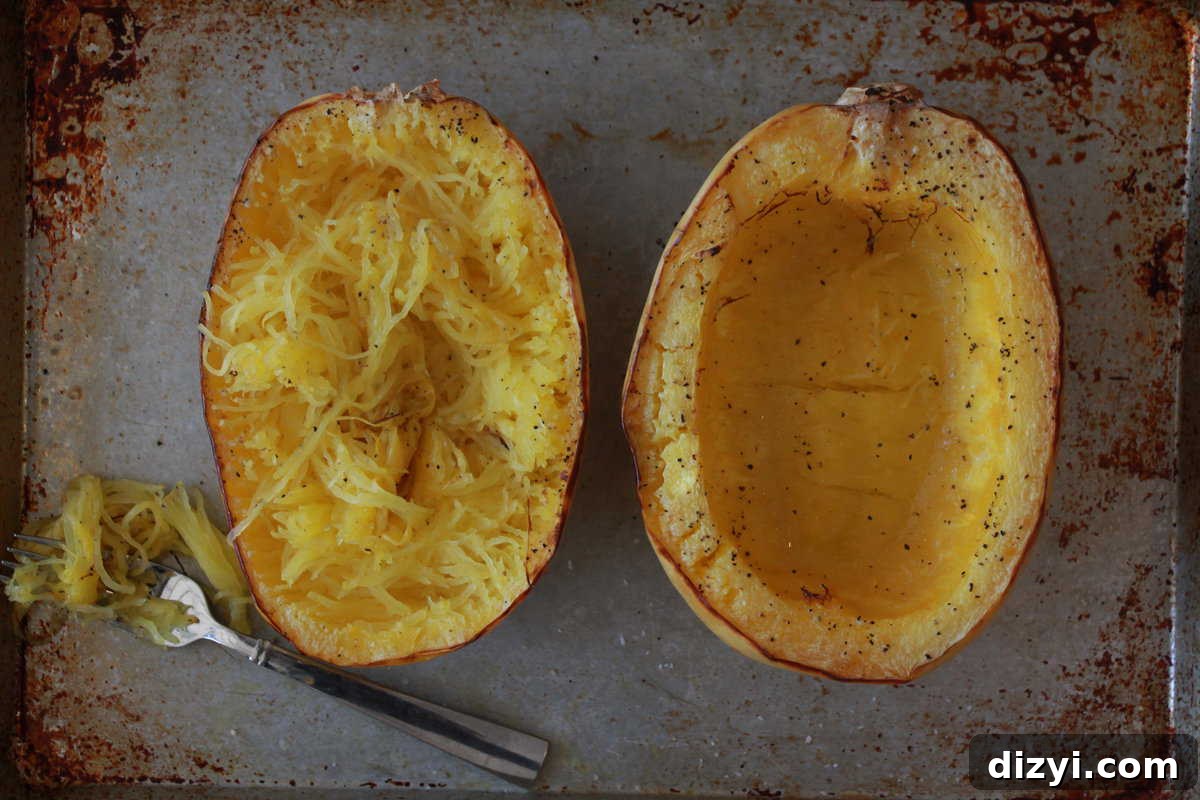
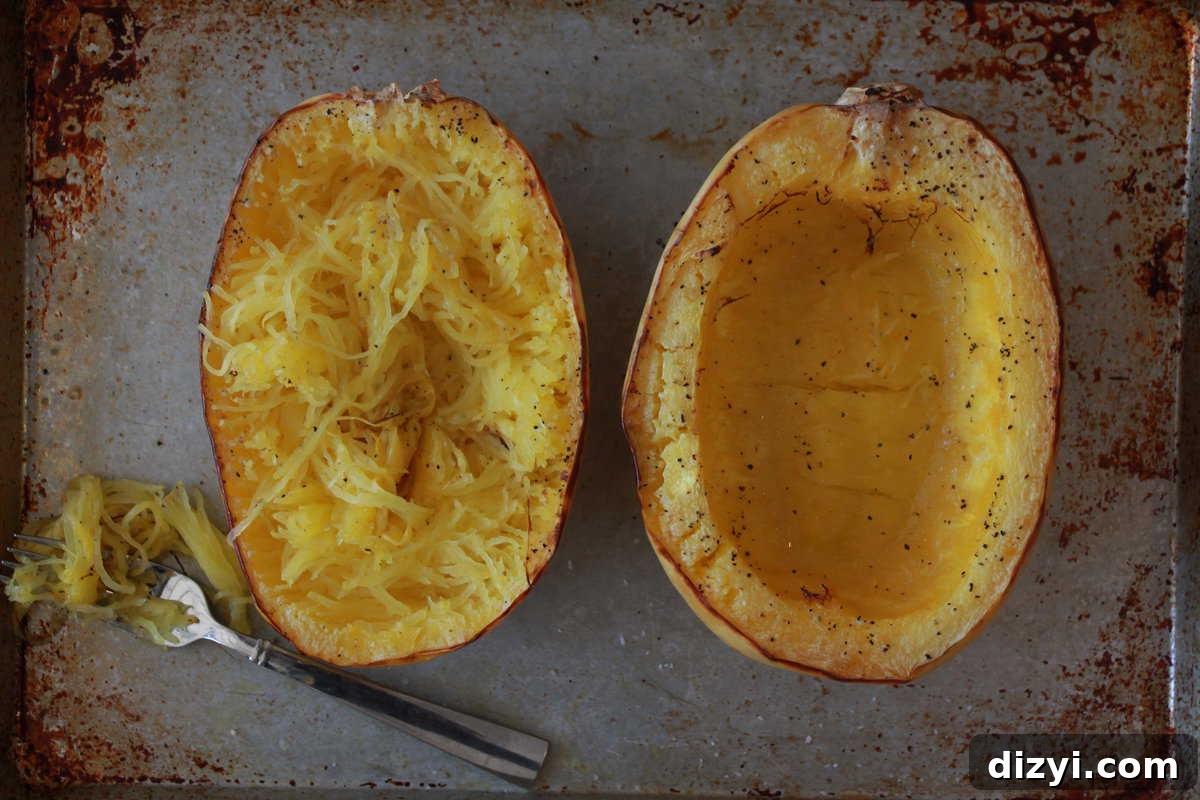
- Roast in the preheated oven until the flesh is fork-tender and easily separates into strands, about 45 minutes depending on size.
- Remove the baking sheet from the oven and let the squash cool for a few minutes until it is safe to handle.
- Use a fork to scrape the flesh, creating long spaghetti-like strands. Work from the center outward for the best texture.
- Serve immediately with your favorite sauce, toss with sautéed vegetables, or store for later use.
Choosing a good squash: look for one that feels heavy for its size with firm, unblemished skin. Smaller to medium-sized squashes are often easier to handle and cook more quickly than very large ones.
Safety tip: if the skin is extremely hard and cutting feels difficult, stabilize the squash on a damp towel and cut slowly and carefully. A sharp chef’s knife and steady, controlled motions reduce the risk of slips. If you prefer, you can microwave the whole squash for a couple of minutes to soften the skin slightly before cutting, but roasting gives the best texture and flavor.
Storage: once cooled, packed strands keep well in an airtight container in the refrigerator for 3–4 days. Reheat gently in a skillet with a little oil, or add directly to sauces and soups to warm through. Roasted strands also freeze well—place in a freezer-safe container for up to 2 months and thaw before reheating.
Flavor variations: after roasting, toss the strands with a pat of butter or olive oil, minced garlic, and chopped fresh herbs for a simple side. For a richer option, sprinkle with grated Parmesan or nutritional yeast and black pepper. The strands also work well as a base for meat sauces, creamy Alfredo-style toppings, or a quick vegetable stir-fry that mimics thicker noodles.
Make ahead: roasting a couple of squashes at once saves time. Cool completely, portion into meal-sized containers, and use throughout the week for quick, healthy meals.