
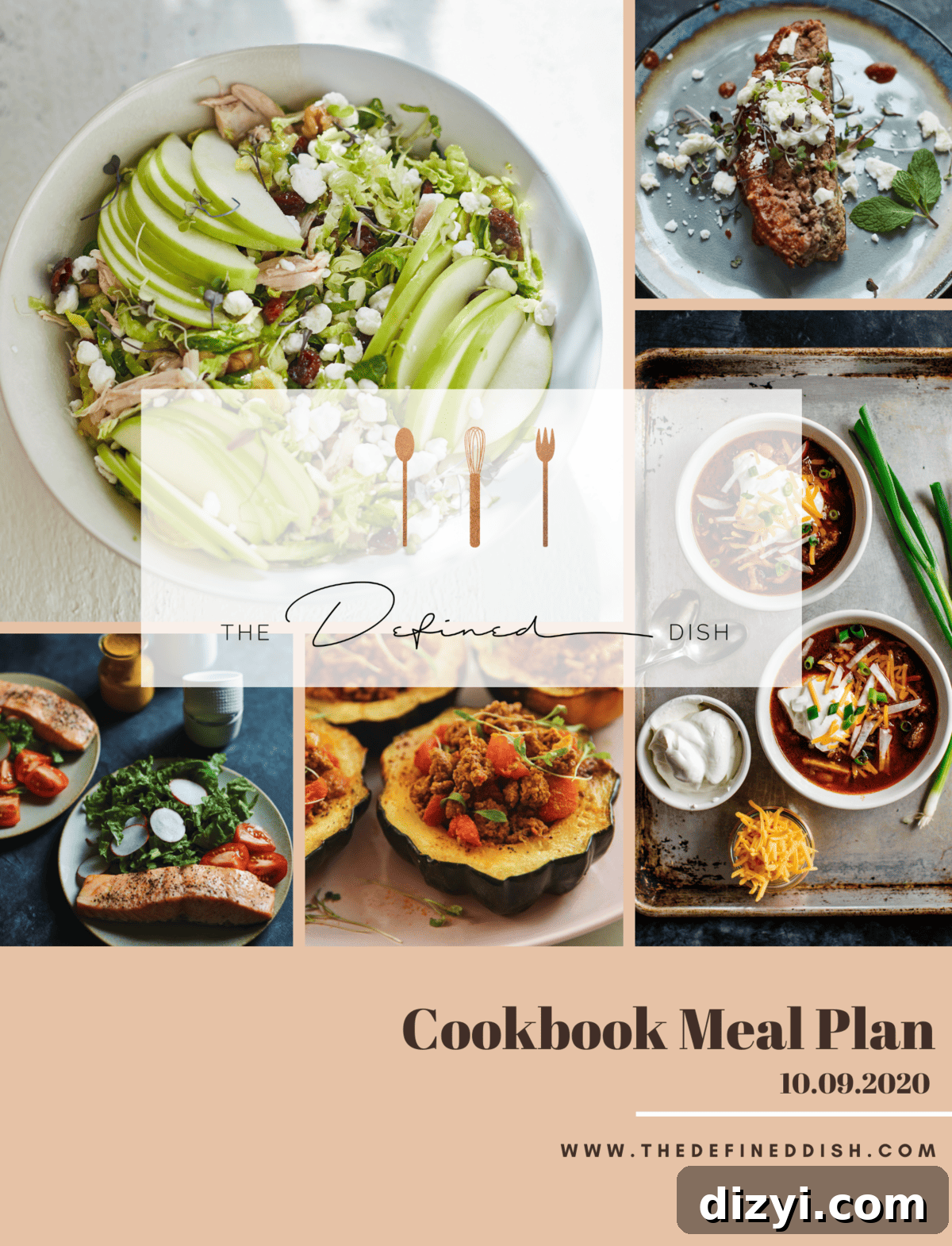
Enjoy a full week of healthy, wholesome dinners inspired by my cookbook. If you don’t already own a copy, consider purchasing it and cooking along with this week’s meal plan to make dinner time easier, balanced, and delicious.
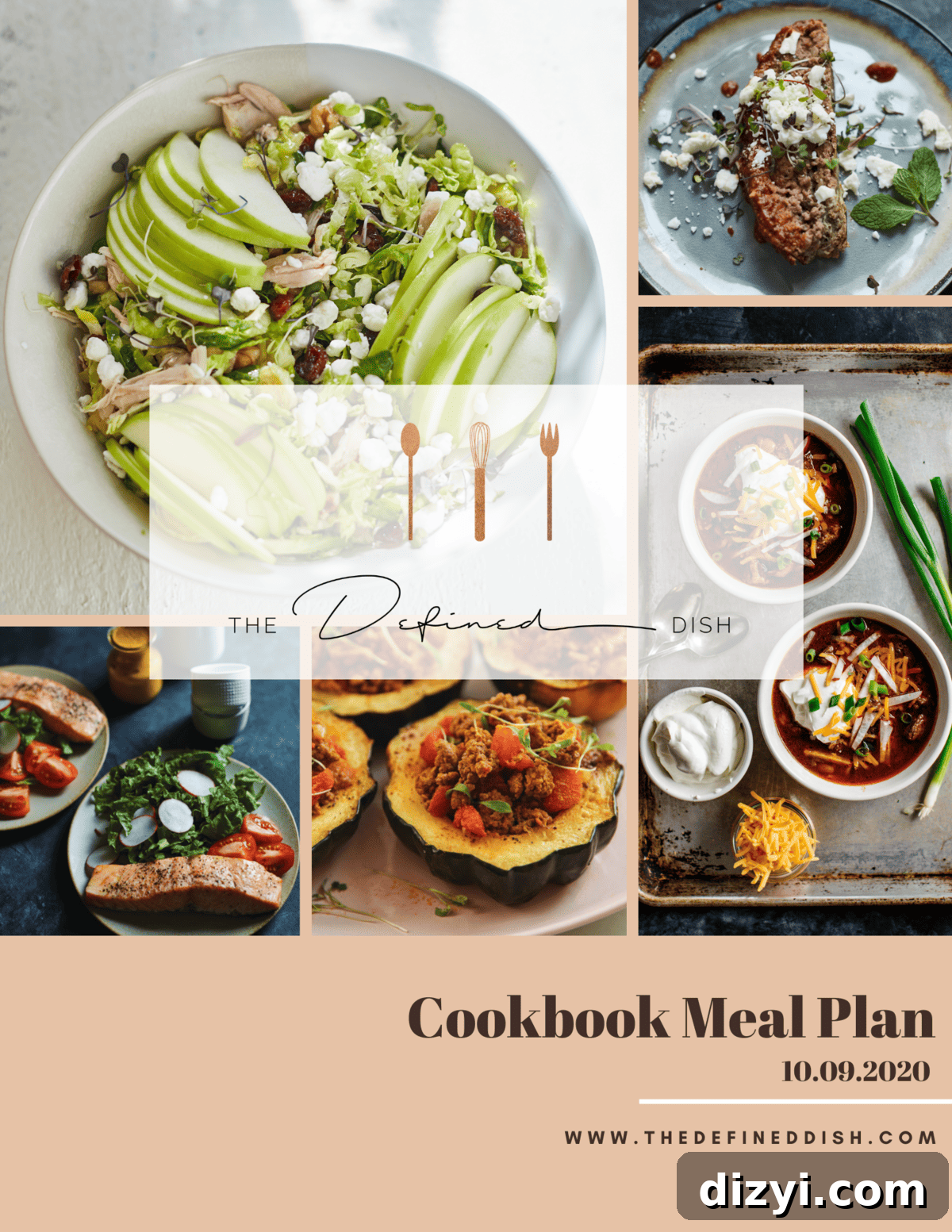
Weekly Cookbook Meal Plan — What to Expect
This meal plan gathers simple, nutritious dinner recipes from the cookbook into a ready-to-use weekly schedule. Each dinner is designed to be approachable for weeknight cooking while focusing on whole ingredients, balanced meals, and straightforward techniques. The plan is ideal for anyone looking to streamline grocery shopping, reduce dinner-time stress, and eat more vegetables and wholesome proteins throughout the week.
How to Use the Meal Plan
Start by reviewing the recipes for the week and checking your pantry and refrigerator for staples you already have, such as olive oil, spices, rice, or pantry beans. Make note of any fresh produce or proteins you need to buy. Follow the scheduled dinners in order, or swap days when it fits your schedule—most recipes adapt well to a different sequence without losing flavor or texture.
Meal Prep and Time-Saving Tips
To keep weeknight cooking smooth, consider a short prep session on the weekend or a day off. Wash and chop vegetables, cook a grain in advance, or marinate proteins so they’re ready to cook. Batch-cooking components like roasted vegetables or a pot of quinoa can cut down active time on busy evenings. Store prepped ingredients in airtight containers in the refrigerator for up to several days, and reheat gently to preserve texture and flavor.
Grocery List Essentials
When planning your shopping list, group items by category: produce, proteins, pantry staples, dairy or dairy alternatives, and fresh herbs/condiments. Typical items used across these cookbook recipes include seasonal vegetables, lean proteins (chicken, fish, tofu, or legumes), whole grains, extra-virgin olive oil, citrus, and a selection of dried herbs and spices. Buying a few versatile staples lets you mix and match recipes throughout the week with minimal waste.
Ingredient Swaps and Dietary Adjustments
The recipes are flexible. Swap proteins to suit dietary preferences—use beans or lentils in place of meat for vegetarian options, or choose gluten-free grains for those avoiding gluten. Reduce or omit ingredients like dairy or nuts to accommodate allergies and replace them with suitable alternatives (e.g., plant-based yogurts or nut-free seeds). Adjust salt, spice, and citrus to match your taste while keeping the core flavors intact.
Storage and Leftover Ideas
Leftovers can be repurposed into new meals: turn roasted vegetables into a grain bowl, fold leftover protein into salads or wraps, or use cooked grains as the base for a quick stir-fry. Store cooked dishes in airtight containers and refrigerate for up to 3–4 days, or freeze portions for longer storage. Label containers with dates to keep track of freshness.
To download the full document, click here –> cookbook meal plan {10.09.20}
Whether you’re following the cookbook recipes closely or using the meal plan as a flexible guide, the goal is the same: make dinner nourishing, simple, and enjoyable. Use this plan to build consistent cooking habits, reduce daily decision-making, and eat flavorful, balanced meals all week long.