
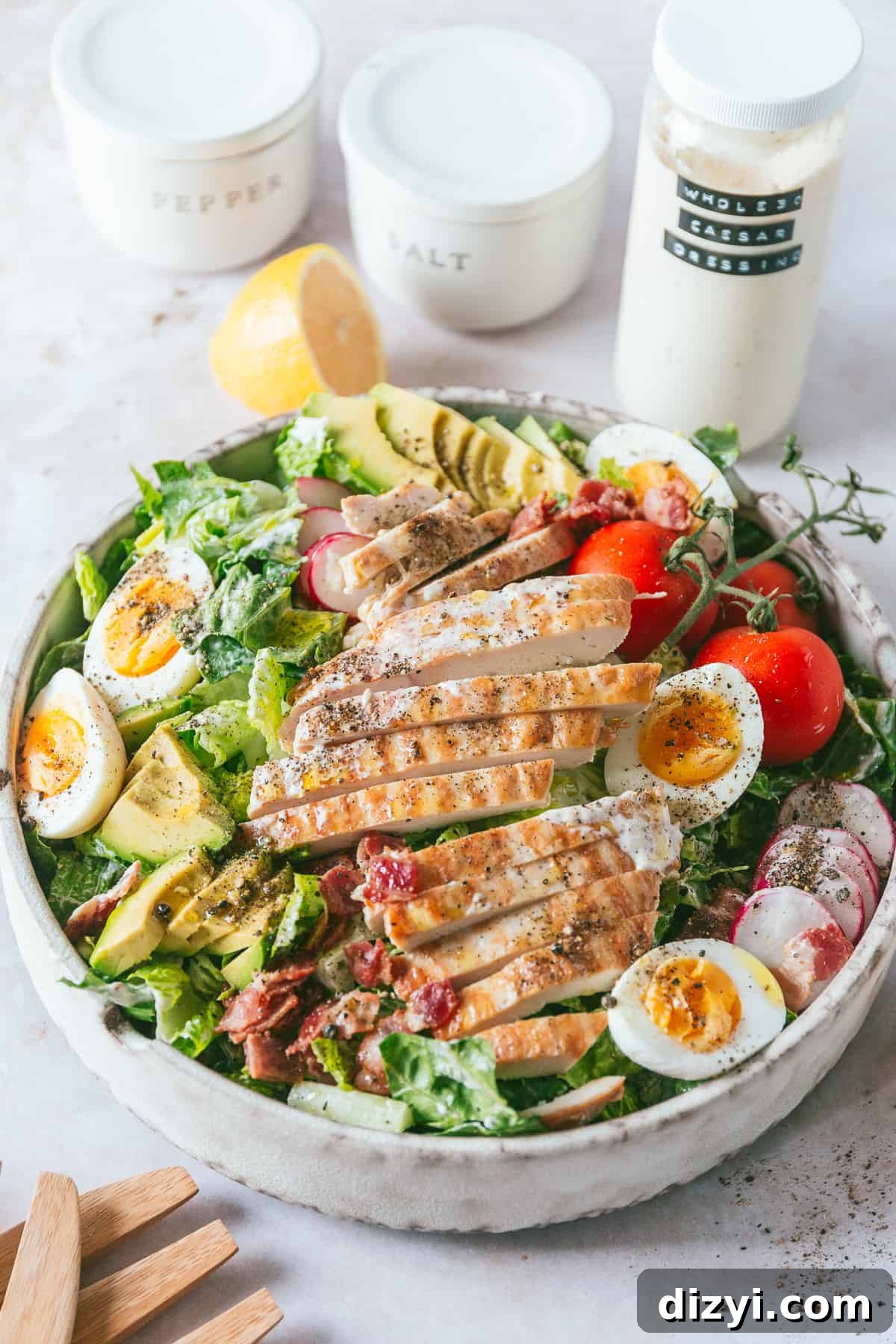
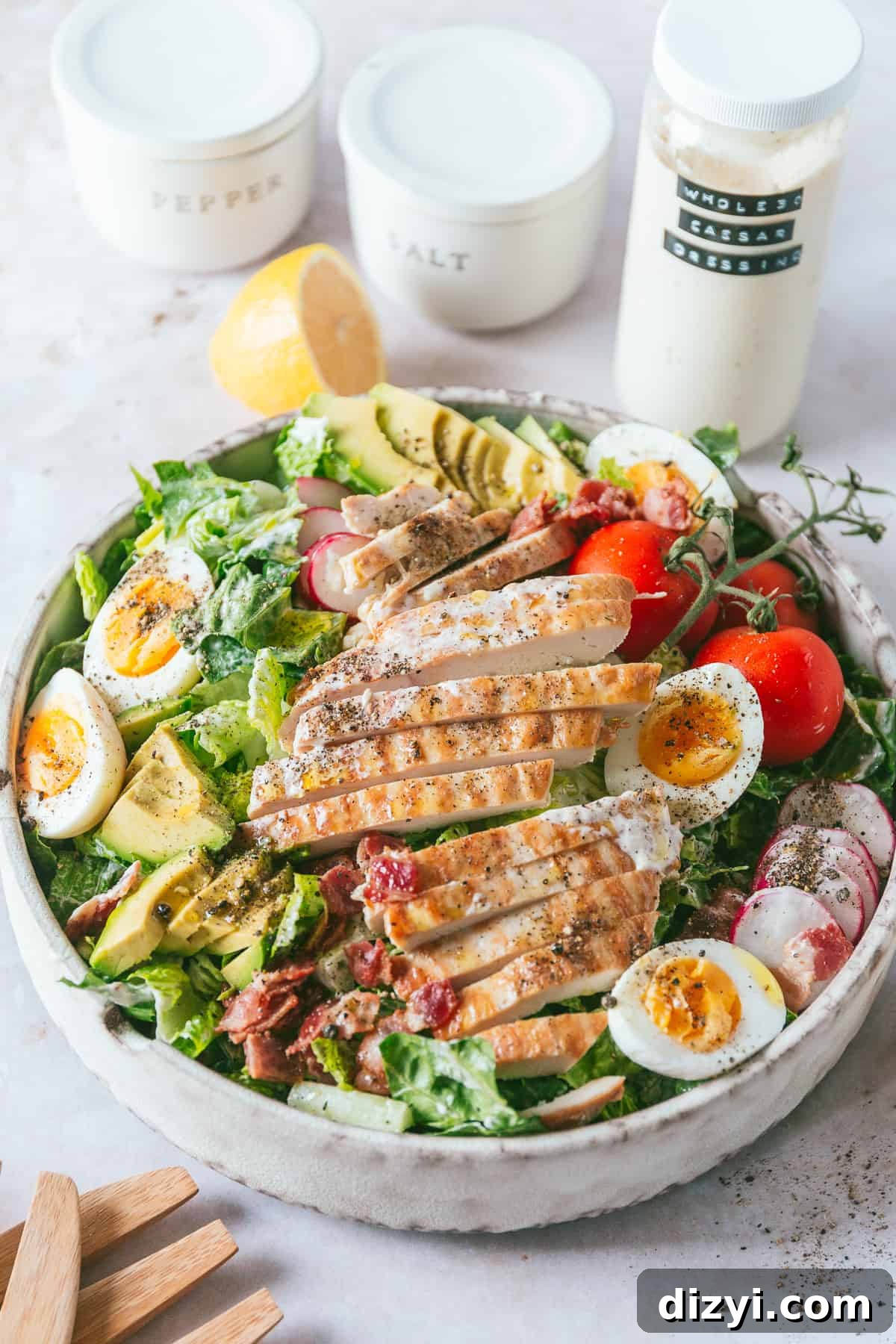
Who doesn’t love a classic Caesar salad? The creamy, tangy dressing tossed into crisp greens makes any salad feel indulgent and satisfying. If you’re following Whole30 or simply prefer real-food ingredients, this Whole30 Caesar Salad Dressing is a must-have. It starts with a homemade mayonnaise base and transforms into a silky, savory dressing that brightens romaine, grilled chicken, roasted vegetables, or a simple chopped salad.
Making your own mayonnaise is surprisingly quick and gives you a versatile base for dressings. A homemade mayo can be used for ranch-style dips, tuna or chicken salads, and, of course, for a creamy Caesar. If you prefer a store-bought option that aligns with Whole30 guidelines, look for a compliant, egg-based mayonnaise from reputable brands. This recipe uses that homemade mayo approach and finishes with lemon, anchovy, garlic, and red wine vinegar for a classic Caesar flavor without dairy.
Whole30 Caesar Salad Dressing
Ingredients
- 1 cup light-tasting oil (examples: safflower seed oil, avocado oil, or “light” olive oil—not extra virgin)
- 1 egg
- 2 tsp Dijon mustard
- 2 tbsp fresh lemon juice (about 1/2 lemon)
- 4 flat anchovy fillets in olive oil, or 2 tsp anchovy paste
- 3 cloves garlic, peeled
- 1 tbsp red wine vinegar
- 1/4 tsp cracked black pepper, or more to taste
- Kosher salt to taste (about 1/2 tsp is a good starting point)
Instructions
Immersion Blender Method
- Pour the oil into a narrow jar whose diameter is only slightly larger than the head of your immersion blender.
- Crack the egg into the oil and allow it to settle to the bottom of the jar.
- Place the immersion blender head down so the blade sits directly over the yolk. Turn the blender on and keep it steady until you see a thick, white, creamy mayonnaise form around the blender head—this should only take a few seconds.
- Slowly tilt and lift the blender to emulsify the remaining oil, moving the head upward to incorporate the oil at the top. Once a thick mayonnaise base forms, add the remaining Caesar ingredients (Dijon, lemon juice, anchovy, garlic, red wine vinegar, pepper, and salt).
- Blend again briefly until the dressing is smooth. Taste and adjust seasoning as needed.
Food Processor or Blender Method
- If your egg is chilled, place it in warm water for a few minutes to bring it to room temperature. Room-temperature egg helps the emulsion form reliably.
- Place the room-temperature egg, Dijon mustard, kosher salt, and 1/4 cup of the oil into the food processor or blender. Blend until well combined.
- With the processor or blender running, very slowly pour in the remaining 3/4 cup of oil in a steady, slow stream. Pouring too quickly can prevent emulsification, so take your time. When done correctly, you’ll have a light, fluffy mayonnaise.
- Add the lemon juice, anchovy (or anchovy paste), garlic, red wine vinegar, and cracked pepper. Blend until smooth and well combined.
- Taste and adjust salt, pepper, and lemon to preference.
Notes and Tips
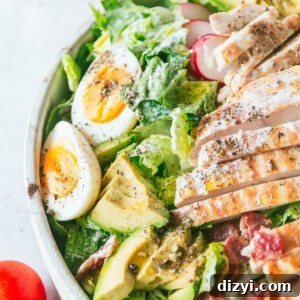
Toss a few tablespoons of this dressing with chopped romaine, halved cherry tomatoes, cubed avocado, crispy bacon, olives, and grilled chicken for a hearty salad. The anchovies add authentic umami; if you prefer a milder profile, start with less anchovy and increase to taste. For garlic lovers, use four cloves; for a subtler garlic note, reduce to one or two.
If you’re concerned about raw egg, consider using a pasteurized egg or a pasteurized egg product. Always use fresh eggs from a trusted source and store homemade dressing in the refrigerator. Keep the dressing in an airtight container and consume within several days for best quality and safety.
Variations
- Make it zestier: add an extra tablespoon of lemon juice or a touch more red wine vinegar.
- Herb-forward: fold in chopped fresh parsley or chives just before serving.
- Spicy twist: add a dash of hot sauce or a pinch of cayenne for heat.
Serving Suggestions
This dressing is excellent on a classic Caesar salad, but it also works as a dip for raw vegetables, a spread for wraps, or a finishing sauce for roasted vegetables and grilled proteins. A little goes a long way—start with a tablespoon or two per serving and add more if you like your salad extra creamy.
Notes on Nutrition and Storage
Nutrition information varies with ingredient brands and exact quantities; use an ingredient calculator if you need precise nutrition facts. Store leftover dressing refrigerated in a sealed container and use within several days. Always check for changes in aroma or appearance before using.
Author: Alex Snodgrass