
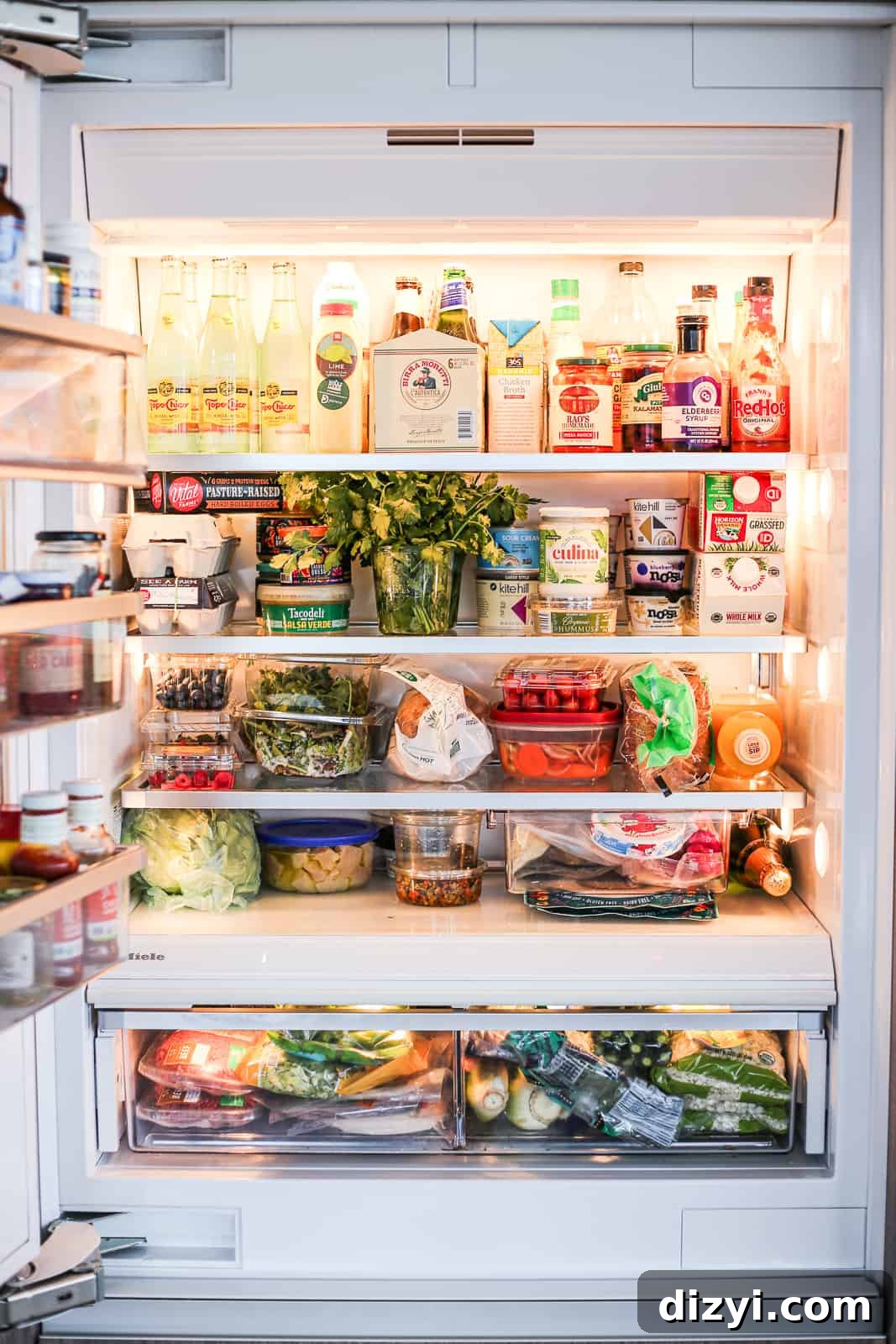
Like many people, I prepared my fridge and pantry when COVID-19 began affecting daily life. I didn’t hoard supplies; instead I shopped more thoughtfully and practically, aiming to have about two weeks’ worth of food for my family. The goal was to be ready for a possible quarantine while still being mindful of neighbors and community needs.
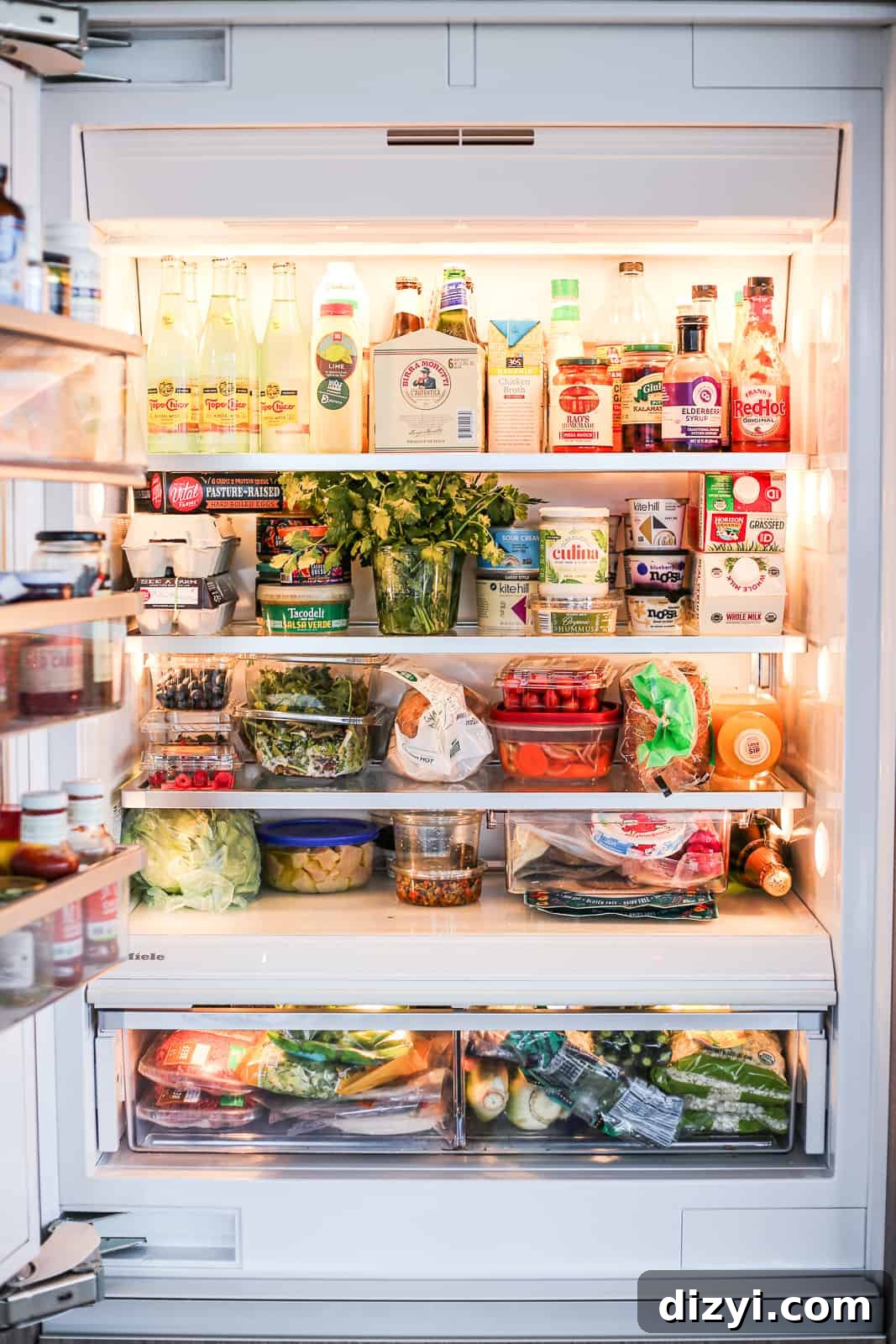
When shopping during uncertain times, many people feel pressure to stock up. I chose to shop responsibly so essentials remain available for everyone. Consider those who are vulnerable—people with disabilities, those who are homeless, unemployed or underemployed, or families without childcare—and try not to make shortages worse. If you can, donate to your local food bank or to organizations like No Kid Hungry to help those in need.
This guide is intended to give ideas for building a practical, flexible two-week food plan. You don’t need to buy everything listed. Pick what fits your family’s tastes, dietary needs, and storage space. These are simply reliable pantry staples, freezer basics, and fridge items that make meal planning easier.
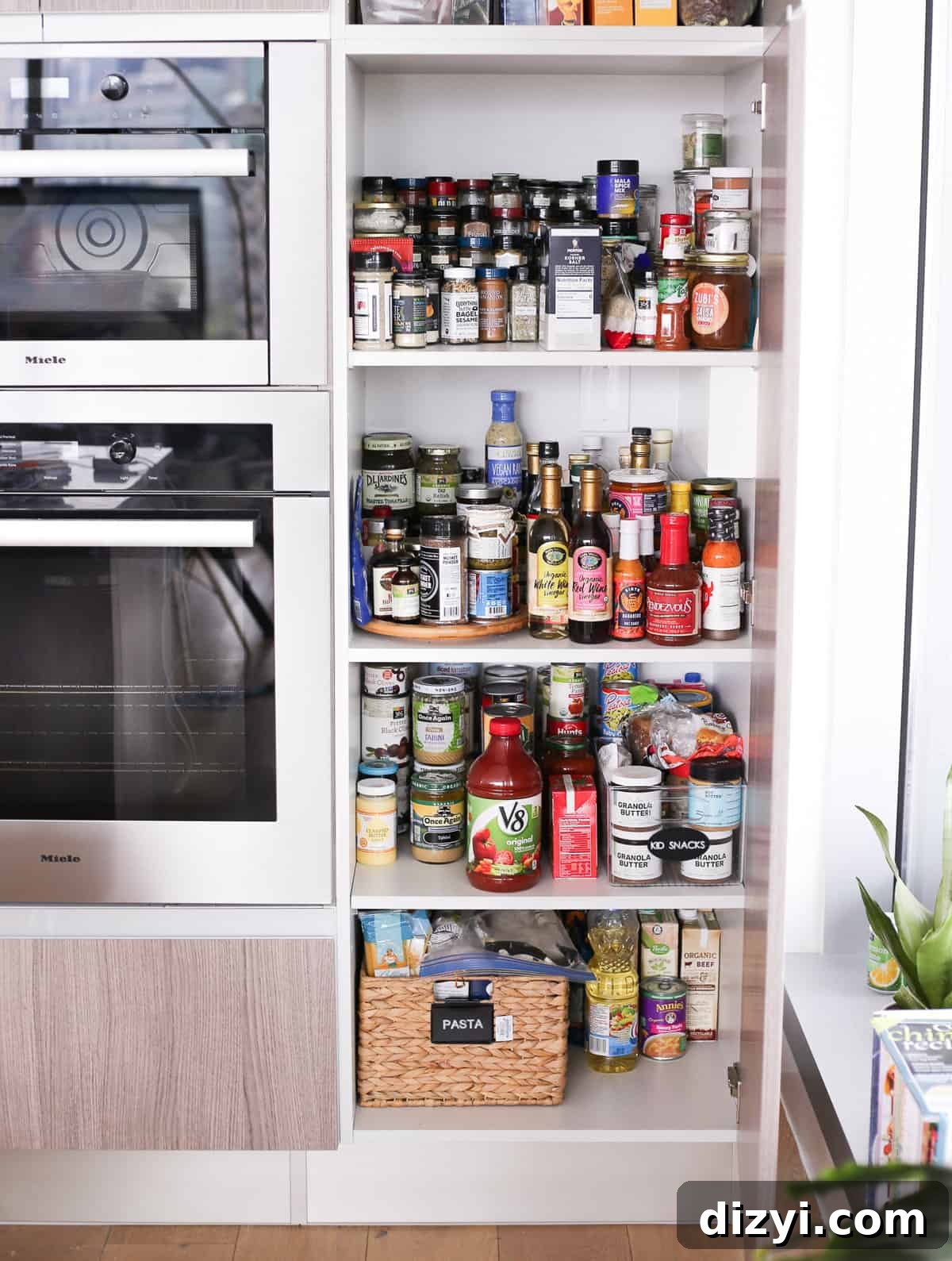
Well-Stocked Pantry: Essential Dry Goods and Flavor Boosters
The pantry is one of the most useful spaces for emergency preparedness. Dry goods keep long-term, they’re typically affordable, and they form the basis of simple, satisfying meals. A good set of spices and sauces makes basic ingredients shine.
- Legumes
- Dried: lentils, black beans, pinto, split peas
- Canned: chickpeas, black beans, refried beans
- Rice
- Long-grain jasmine or basmati are versatile; wild rice works well in soups and salads
- Pastas
- Include gluten-free options if needed (e.g., brown rice pasta)
- Oils: olive oil, avocado oil, coconut oil
- Vinegars: white wine, red wine, champagne vinegar (for dressings and flavor)
- Salsas and hot sauces for quick seasoning
- Ready sauces: enchilada sauce, barbecue, buffalo for fast dinners
- Canned tomato products: tomato paste, diced tomatoes, tomato sauce
- Jarred marinara
- Coconut milk for curries and soups
- Canned fish: tuna, salmon, and canned clams for protein and quick meals
- Other canned vegetables: green beans, artichoke hearts, asparagus, mushrooms, corn
- Nut butters for protein and snacks
- Broths: beef, chicken, vegetable
- Flours: all-purpose, and alternatives like almond or cassava if you use them; all-purpose works in most recipes
- Baking essentials: sugar (or coconut sugar), vanilla extract, baking powder, baking soda
- Spices: cumin, chili powder, kosher salt, black pepper, adobo, garlic powder, onion powder, dried oregano, parsley, rosemary, cayenne
- Snacks and staples: chips, cereals, and bread (bread freezes well)
Well-Stocked Freezer: Proteins, Veggies, and Convenience Items
The freezer extends the life of fresh foods and gives flexibility to meal planning. Keep a variety of proteins, vegetables, and a few convenience items that can become full meals or components of meals.
- Proteins: boneless, skinless chicken breasts and thighs, whole chicken, ground chicken or beef, chuck roast, brisket, sausages (kielbasa, andouille, Italian, chorizo), hot dogs, bacon
- Seafood: shrimp, salmon
- Frozen vegetables: peas, green beans, okra, corn, edamame, broccoli, cauliflower, spinach
- Prepared frozen items: cauliflower gnocchi, hashbrowns or hashbrown cakes, pizza crusts, tortillas
- Frozen fruit: mixed berries for smoothies, baking, or compotes
Well-Stocked Fridge: Perishables That Last and Add Freshness
Perishables can last a week or more if stored correctly. These items add freshness and nutrition to pantry-based meals.
- Dairy and dairy alternatives: butter, milk, yogurt, cheese
- Juice: orange juice or other favorites
- Fresh fruit: apples and citrus keep relatively well
- Olives and pickles for quick flavor
- Condiments: ketchup, ranch, mustard, mayonnaise
- Eggs: a versatile source of protein
- Fresh herbs: store cilantro and parsley in a jar with a little water to extend freshness; rosemary, thyme, and oregano also last
- Beverages: beer or other drinks you enjoy
Well-Stocked Counter: Long-Lasting Produce and Basics
Some items don’t need refrigeration and will last for weeks on the counter or in a cool, dark place.
- Onions and shallots (use a variety for different flavors)
- Potatoes
- Apples
- Bananas — use ripe bananas for baking or freeze chunks for smoothies
- Garlic
- Oranges or clementines
- Red wine for cooking or enjoyment
Pantry-Staple Meals and Meal Planning Tips
With these staples you can prepare countless simple meals: bean and rice bowls, pasta with tomato sauce and canned tuna or sausage, lentil soups, rice and beans, stir-fries with frozen vegetables and tofu or chicken, omelets, and quick tacos using canned beans and tortillas. Keep a few meal templates in mind so you can mix and match pantry, fridge, and freezer items without stress.
Before you shop, make a list based on your family’s preferences and any dietary restrictions. Rotate fresh produce into meals early in the week and save canned or frozen options for later. When possible, buy what you need and leave shelf space for others. If you have extra, consider donating to a local food bank or organizations supporting families in need.
Share your favorite pantry, freezer, or fridge staples in the comments below — we can all learn new strategies for practical, compassionate preparedness.