
One question I get all the time is: how did I start blogging and how did my site grow? It has been a process—one that continues today. I’m always learning, improving the site, and trying to deliver better recipes, photos, and content. I’m grateful for the readers who have supported me from the beginning, and I want to share the journey and lessons that helped The Defined Dish evolve into a successful food blog.
How I got started:
The Defined Dish began in the summer of 2014 as a joint project with my sister, Madison. She loved fitness and I loved cooking, so we combined those passions into a blog focused on food and wellness. We had a lot of fun building it together, and many of you who followed in those early days have supported us ever since. When Madison moved and took a job that demanded more of her time, she stepped away. I had to decide whether to stop or continue—and I chose to keep going solo because cooking and sharing recipes brings me joy.
That decision marked a turning point. My husband encouraged me to invest more effort into the site: refine the branding, simplify navigation, and make the blog feel like a true destination. I hired professional designers to help refresh the site and brand, and that investment paid off. It gave the blog a clearer identity and made it easier for readers to find content they love.
Stepping it up:
Simplifying the design, improving usability, and refining the brand were key moves. After the redesign launched, monthly traffic tripled. Readers stayed longer, browsed more pages, and found recipes faster. That taught me a crucial lesson: blogging is not just posting content—it’s an ongoing business that rewards strategy and effort.
I began treating the blog like work. I studied food photography, refined my recipe testing, and created an editorial calendar to schedule posts consistently. Rather than waiting for brands to find me, I proactively reached out with collaboration proposals. The effort paid off—brands began to take my site seriously and partnership opportunities followed. All of the time, energy, and investment I put in became worth it when I was able to share my cooking and earn income from the blog.
Improving food photography:
In a crowded food-blog landscape, visuals matter. If a recipe photo looks unappealing, readers are less likely to try it. I spent a lot of time learning photography and editing techniques to make my dishes inviting. A few practical tips I found useful:
- I use a Canon Rebel T4i for most shots; a reliable camera helps but you don’t need the absolute latest model to get great results.
- Natural light is essential. Shoot in a shaded outdoor area or near a bright window when possible. If you must photograph after dark, artificial lighting can work but requires technique.
- Portable backdrops are worth investing in. I use a piece of white marble and a concrete-style board to create consistent, attractive surfaces when my kitchen lighting isn’t ideal.
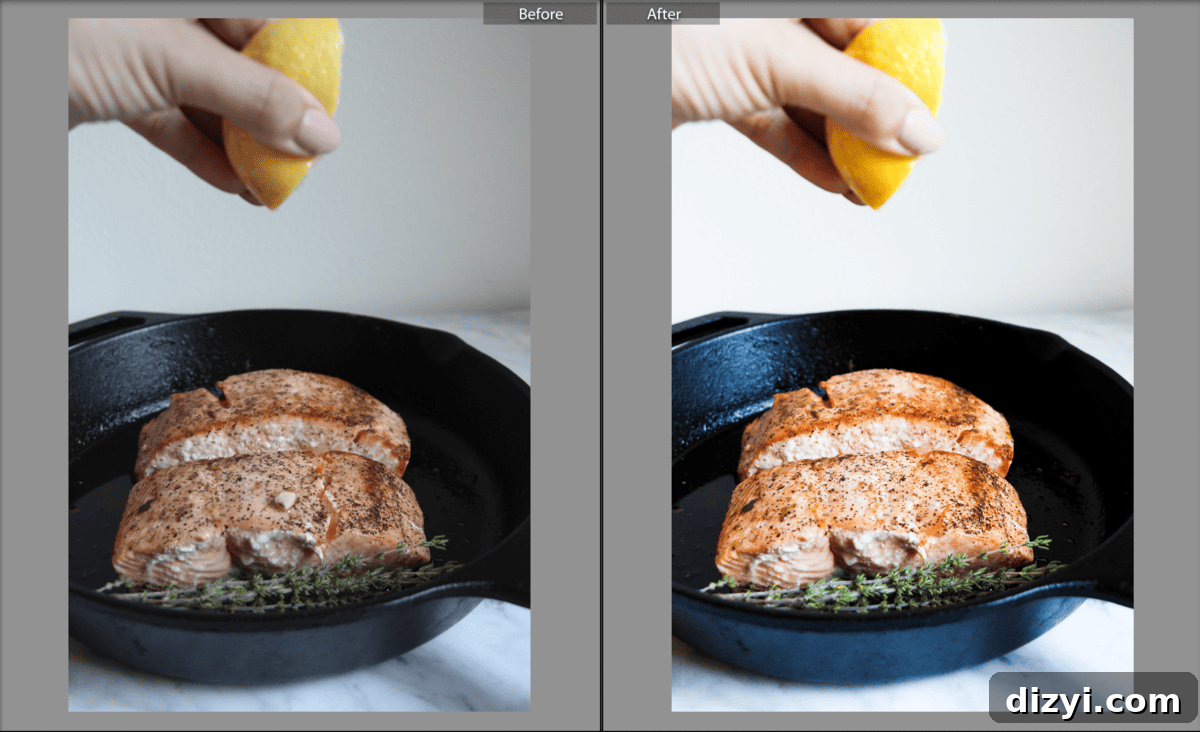
- Edit carefully. Adobe Lightroom transformed the way my photos look. Simple adjustments to exposure, contrast, and color can make a recipe feel fresh and appetizing.
Stop comparing yourself and be confident:
One of the hardest parts of blogging is comparison. I’m not a professionally trained chef, and for a long time I worried my techniques weren’t “good enough.” Over time I embraced what I do best: straightforward, tasty recipes that home cooks can replicate. That became my niche. Not every cook needs culinary school-level techniques—many readers want practical, approachable recipes that fit busy lives. Be confident in your unique voice and the value you offer readers.
Comparing follower counts or traffic with others isn’t productive either. I’ve always supported other bloggers, and collaboration and encouragement create a healthier community than competition.
How to start monetizing your blog:
Monetizing a blog can be complicated, and I still learn new things frequently. The best piece of advice I received was to create a media kit. Once I had a professional media kit, brands started to take my site seriously. When companies reach out with product offers or collaboration ideas, I share the media kit to outline my audience, traffic metrics, and partnership options. Building a clear, honest media kit helped me move from hobby blogging to professional opportunities.
When working with brands, protect your voice and standards. Turn down partnerships that don’t align with your values or that you wouldn’t recommend to readers. Your trust with the audience is far more valuable than any single paycheck. Over time, the right partnerships that fit your brand will reward your consistency and integrity.
Handling friends and early reactions:
When you start sharing more frequently, some friends may find the change odd. I kept my personal account separate from my blog profile and politely directed interested friends to follow the blog page. That gave people a choice and kept personal updates distinct from my food content. Early criticism can sting, but as the blog grows those same people often become supportive. Keep your focus and own what you’re creating.
Where to start if you want to blog:
Start now. Buy a domain, set up a simple site, and publish. You don’t need perfection—consistency and passion matter more than a flawless launch. Post about subjects you love and maintain a schedule so readers know what to expect. Even if you begin with five followers, treat them well and share honest, thoughtful content. Those early supporters often become your biggest advocates.
Thank you to everyone who has supported The Defined Dish. Your shares, comments, and encouragement made this growth possible. If you’re thinking about starting a blog, go for it—there’s nothing to lose and a lot to learn and gain.
Outfit Details: T-Shirt, Jeans, Shoes.